
Whether you’re planning a weekend hike through mossy forests, a backcountry camping trip, or an off‑grid wilderness adventure, having the right outdoor products at your side can mean the difference between a story of triumph and one of regret. In this comprehensive guide, you’ll learn exactly what survival kits and essentials you should pack — and why they matter for safety, comfort, and unforgettable experiences in nature.
By the end of this post, you’ll understand how to build a reliable survival kit tailored to your outdoor pursuits, how to choose high‑quality gear, and how to use your equipment confidently when the trail gets tough.
Why Survival Kits & Essentials Are Non‑Negotiable
Before we dive into specifics, let’s answer a crucial question: Why do survival products matter so much?
Outdoor adventures are unpredictable — weather can shift, terrain can challenge even experienced hikers, and unexpected delays can turn a short trek into an overnight survival scenario. According to data from outdoor safety organizations, lack of preparation is one of the top contributors to emergency rescues in wilderness environments.
That’s where a well‑thought‑out survival kit comes in:
- It helps you respond to emergencies.
- It increases confidence and peace of mind.
- It allows you to stay safe until help arrives.
Now, let’s break down the essentials.
Step 1: Build Your Core Survival Kit — The 7 Must‑Have Outdoor Products
Every survival kit should include these core items. Think of this as your baseline “independent survival system” — gear designed to support you no matter where your adventure takes you.
1. Water Purification Tools
Clean water is a survival priority #1. While you might carry water bottles, you’ll also need a way to purify water you find on the trail.
- Portable water filter — Removes bacteria and protozoa from natural water sources.
- Water purification tablets — A lightweight backup when filters clog or freeze.
Example: A hiker stranded after dark in the Cascades relied on portable filtration to safely drink creek water until rescue arrived.
2. Fire Starters & Ignition Kits
Fire provides warmth, light, and a way to purify water.
- Waterproof matches or a lighter
- Magnesium fire starter — Works even when wet.
- Tinder strips or cotton balls dipped in wax
Pro Tip: Practice building a fire with your kit before you hit the trail.
3. Shelter & Insulation
Even in mild weather, temperatures can drop fast at night.
- Emergency bivvy or space blanket
- Lightweight tarp or emergency tent
- Insulated sleeping liner
These protect against hypothermia and offer critical rest when you need it most.
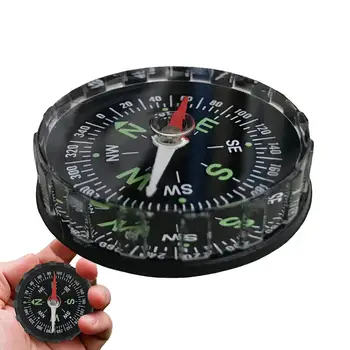
4. Navigation Tools
A map and compass never run out of battery.
- Topographic map of your route
- Compass with declination adjustment
- A GPS device or an offline mapping app as backup
Statistic: Studies show that lost hikers often ignore navigation tools until it’s too late.
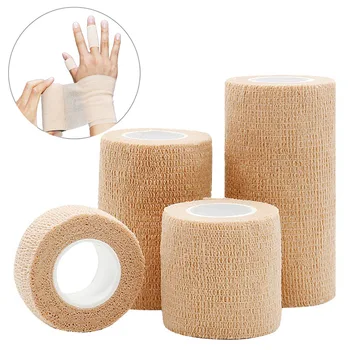
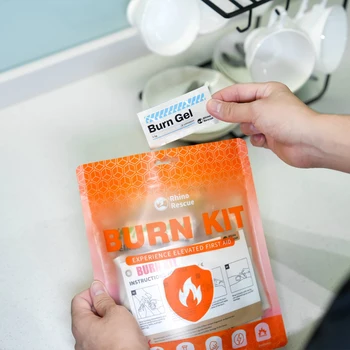
5. First Aid Kit
Your kit should treat common outdoor injuries:
- Adhesive bandages
- Antiseptic wipes
- Blister care
- Tweezers and safety pins
- Pain relievers and allergy medicine
Goal: Address minor injuries on the spot to prevent escalation.
6. Multi‑Tool & Knife
A rugged multi‑tool can handle dozens of tasks:
- Cutting cordage
- Repairing gear
- Food prep
- Opening packages
Choose tools made of durable stainless steel with locking components.
7. Signaling Devices
If help is miles away, you’ll need ways to attract attention:
- Whistle (minimum 3 sharp blasts for SOS)
- Signal mirror
- Bright colored bandana or flag
Step 2: Choose Quality Outdoor Products — What to Look For
Not all gear is created equal. When you invest in survival kits and essentials, here’s how to evaluate products:
Durability
- Aluminum and stainless steel over cheap plastics
- Reinforced stitching on fabrics
- Waterproof or water‑resistant materials
Weight & Size
Lightweight gear matters on long hikes. Consider:
- Ultralight sleeping bag vs heavy winter bag
- Compact vs full‑size tools
Balance weight with functionality — especially for multi‑day trips.
Versatility
Choose products that do more than one job:
- Multi‑tools with pliers, saw, screwdriver
- Shelter tarps that double as rain covers or ground sheets
This reduces pack clutter without sacrificing preparedness.
Step 3: Organize Your Kit for Rapid Use
A survival kit is only as good as its accessibility. Here’s how to organize it:
Create Zones in Your Pack
- Top access: Items you might need quickly — whistle, first aid, water purification.
- Middle: Navigation tools, fire starter.
- Bottom: Heavier items like shelter and extra clothing.
Label & Review Regularly
Before each trip, inspect items for wear, expired medicine, or missing pieces.
Step 4: Real‑World Tips from Experienced Outdoors People
Tip 1: Test Your Gear Before You Go
Set up your shelter, start a fire with your starter kit, and purify water at home. Familiarity builds confidence when conditions are stressful.
Tip 2: Customize Based on Environment
Desert hikes require more water and sun protection.
Alpine treks require cold‑weather gear, extra insulation, and possibly an avalanche beacon.
Tip 3: Practice Navigation Without Electronics
Batteries die. Knowing how to use a compass and map improves your safety margin.
Conclusion: Gear Smart, Stay Safe, and Enjoy the Wild
Survival kits and essentials are more than just a checklist — they’re your safety net, your peace of mind, and your partner on every trail. By choosing quality outdoor products and organizing them with purpose, you’ll be prepared for the unexpected and free to enjoy every step of your adventure.
Remember these key takeaways:
- Prioritize clean water, fire, shelter, and navigation.
- Invest in durable, lightweight gear.
- Organize and practice using your kit before hitting the trail.
Want more insights on outdoor gear and adventure tips? Join our newsletter for expert advice, product reviews, and seasonal checklists that help you explore with confidence.


0 Comments