
Introduction: Stop Letting the Wrong Hiking Gear Ruin Your Adventure
Nothing cuts an outdoor adventure short faster than the wrong hiking gear. Blisters from poorly fitted boots. Shoulder pain from an overloaded backpack. A sudden temperature drop with no proper layering. These aren’t rare issues—they’re some of the most searched hiking problems online.
Search trends show rising queries like “how to choose hiking gear,” “what hiking gear do I really need,” and “common hiking gear mistakes.” More people are spending time outdoors, but many are still unsure which outdoor products are truly essential.
This guide breaks down the most common hiking gear mistakes and shows you exactly how to avoid them. By the end, you’ll know how to choose outdoor products that match your hiking style, protect your investment, and elevate your experience in nature.
This content positions our brand as a trusted resource in the outdoor products space—helping you make smarter decisions while building confidence on every trail.
Mistake #1 – Buying Hiking Boots Based on Looks Instead of Fit
The Problem
Footwear is the most important piece of hiking gear, yet it’s often chosen for style or brand recognition. Poorly fitted boots lead to blisters, instability, and even long-term joint strain.
According to outdoor injury data, foot-related issues account for a significant portion of trail complaints.
The Solution: Prioritise Fit and Terrain
Here’s how to choose properly:
1. Match Footwear to Terrain
- Trail runners for light, well-maintained trails
- Mid-cut boots for uneven terrain
- High-ankle boots for rocky or load-heavy hikes
2. Test for Proper Fit
- Your toes should not hit the front on descents.
- Your heel should not lift excessively.
- Try boots on in the afternoon when feet are slightly swollen.
Actionable Tip: Wear hiking socks when fitting boots. The wrong sock thickness can change fit entirely.
Mistake #2 – Choosing the Wrong Backpack Size
The Problem
Oversized packs encourage overpacking. Undersized packs create poor weight distribution and discomfort.
Many hikers search for “what size hiking backpack do I need?” because sizing isn’t intuitive.
The Solution: Buy for Trip Duration, Not Ego
Backpack Capacity Guide
- 20–30L: Day hikes
- 40–50L: Overnight trips
- 50–70L: Multi-day trekking
Fit Matters More Than Volume
Measure your torso length—not just your height. A properly fitted backpack shifts weight to your hips, reducing upper body fatigue.
Actionable Insight: Aim to carry no more than 20–25% of your body weight on extended hikes.
For more packing efficiency strategies, explore our related guide on lightweight hiking setups in the blog section.
Mistake #3 – Ignoring the Power of Proper Layering
The Problem
Many hikers either overdress or underestimate changing weather conditions. Cotton clothing, in particular, traps moisture and accelerates heat loss.
Weather-related discomfort is one of the top reasons hikes are cut short.
The Solution: Follow the 3-Layer System
Base Layer – Moisture Management
Choose synthetic or merino wool fabrics that wick sweat.
Mid Layer – Insulation
Fleece or lightweight down helps retain body heat.
Outer Layer – Weather Protection
A waterproof and windproof shell protects against unexpected shifts in weather.
Trend Insight: Eco-conscious hiking gear made from recycled materials is increasingly popular among outdoor enthusiasts who want to protect the environments they explore.
Mistake #4 – Skipping Safety and Navigation Essentials
The Problem
Many hikers rely entirely on smartphones for navigation. Battery loss or poor reception can quickly become dangerous.
Search interest in “hiking safety gear checklist” continues to grow—especially among new adventurers.
The Solution: Always Pack Core Safety Items
Essential outdoor products include:
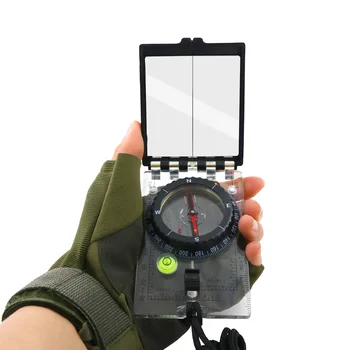
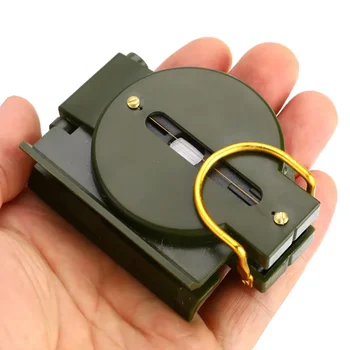
- Physical map and compass
- Headlamp with extra batteries
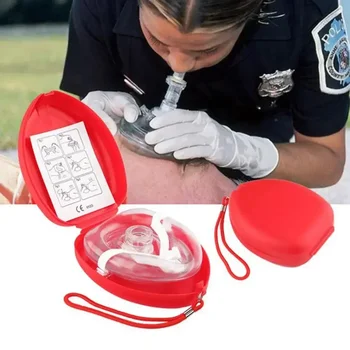
- Compact first aid kit
- Emergency whistle
- Multi-tool or knife
Actionable Tip: Practice using your navigation tools before you need them. Preparation builds confidence.
Mistake #5 – Buying Cheap Hiking Gear That Fails Early
The Problem
Low-cost outdoor products may save money initially but often wear out quickly. Seams fail, waterproof coatings degrade, and support structures weaken.
This leads to frequent replacements—and more spending over time.
The Solution: Focus on Durability and Value
When evaluating hiking gear:
- Check stitching and seam reinforcement.
- Look for water-resistance ratings.
- Review product testing details.
- Choose warranties that reflect product quality.
High-quality hiking gear is an investment in both safety and long-term cost savings.
4 Smart Steps to Choose the Right Hiking Gear
To simplify your decision-making process:
- Define your hiking style (casual day hiker vs. multi-day trekker).
- Invest first in footwear and backpack fit.
- Prioritise layering and weather adaptability.
- Test your gear on short trails before major adventures.
This approach reduces regret purchases and builds a reliable outdoor setup over time.
Conclusion: Choose Hiking Gear That Supports Your Adventure, Not Sabotages It
Choosing the right hiking gear doesn’t have to be overwhelming. When you focus on fit, function, durability, and safety, your outdoor products become tools that enhance your adventure—not obstacles that limit it.
Avoiding common mistakes like poor footwear fit, oversized packs, inadequate layering, and low-quality gear can dramatically improve your hiking experience.
The outdoors rewards preparation. Equip yourself thoughtfully, hike confidently, and make every trail more enjoyable.
If this guide helped you rethink your hiking gear strategy, explore more expert insights in our blog section, and consider joining our newsletter for practical outdoor tips, gear breakdowns, and seasonal hiking advice.



0 Comments