
Introduction
Every seasoned hiker, camper, and outdoor explorer knows that nature is as unpredictable as it is breathtaking. One minute you’re watching the sunset over a mountain ridge, and the next you could be navigating a sudden storm or a sprained ankle miles from help. In this expert guide, you’ll learn what emergency tools and equipment are truly essential for outdoor adventures — not just nice to have. By the end, you’ll understand how to choose the right gear, how each item solves real outdoor challenges, and how to pack smart so you’re prepared for anything nature throws your way.
Why Emergency Preparedness Matters for Outdoor Lovers
The Reality of Outdoor Risks
Spending time in nature delivers peace, challenge, and pure joy. But even short hikes can involve risks like sudden weather changes, navigation errors, or injuries. Studies show that being unprepared often turns manageable situations into dangerous ones. That’s why smart preparation with the right tools not only boosts confidence — it saves lives.
The Core Concept: Tools That Work When You Need Them Most
Emergency tools aren’t about fear; they’re about freedom. With the right equipment, you can extend your adventure, handle surprises, and support fellow explorers in need.
Essential Emergency Tools & Equipment: What to Pack
Navigation Tools: Stay on Track, Even Off the Grid
GPS Devices and Maps
Physical maps and compasses are indispensable backups to digital navigation. Electronics can fail, but paper maps and a quality compass won’t. A handheld GPS unit with long battery life gives you accurate location data and route tracking — especially useful in dense forests or vast desert terrain.
Tips:
- Practice using your compass before you head out.
- Mark waypoints on your map for rest stops and water sources.
Trail Markers and Whistles
Lightweight trail markers help you mark your path if you have to backtrack. A high‑decibel whistle — which carries farther than shouting — is crucial for signaling in emergencies.
First Aid Kit: Your Lifesaver in the Backcountry
What to Include
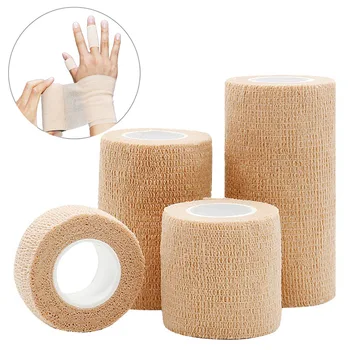
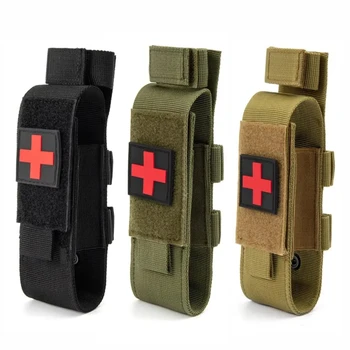
A well‑stocked first aid kit goes beyond Band-Aids. Essentials include sterile dressings, tweezers, antiseptic wipes, pain relievers, blister care, and splints for sprains. Add insect sting relief and allergy medication if you’re prone to reactions.
Real‑World Example
During a group trek in the Rockies, one hiker twisted their ankle on a rocky trail. Thanks to a compact splint and elastic bandages, the group stabilized the injury and safely made it back to base camp.
Actionable Insight:
Customize your first aid kit for the activities you do most — trail running, winter camping, backpacking — and restock after every trip.
Emergency Shelter: Protection When Plans Change
Lightweight Tents and Emergency Blankets
When thunderstorms roll in or temperatures plummet at night, shelter is your first line of defense. Ultralight tents with fast setup systems save time and energy. Emergency thermal blankets are compact, block wind chill, and retain body heat.
Tip:
Choose a shelter rated for the conditions you expect — three‑season tents for spring through fall and four‑season tents for winter expeditions.
Practical Skill: Quick Tent Pitching
Practice pitching your shelter in your backyard before your trip. In bad weather, muscle memory makes setup fast and stress‑free.
Fire Starting Tools: Warmth, Safety, and Signal
Fire Starters to Trust
Matches and lighters are the basics, but moisture‑resistant fire starters and ferro rods offer reliability in wet conditions. Fire gives warmth, purifies water, and can signal rescuers.
Actionable Checklist:
- Waterproof matches in a sealed container.
- Ferro rod and striker.
- Natural tinder (wood shavings, dry leaves) in a waterproof bag.
Trend Insight
Outdoor safety experts recommend carrying multiple fire‑starting methods because redundancy greatly increases your chance of success when conditions are tough.
Lighting & Power: Never Be Left in the Dark
Headlamps and Portable Chargers
A headlamp keeps your hands free for setting up camp or handling gear. Bring extra batteries or a rechargeable model with a USB power bank.
Tip:
Store batteries in an insulated pocket to preserve power in cold weather.
Actionable Insights from Experienced Adventurers
- Build a Personal Emergency Checklist: Tailor it to your destination, season, group size, and skill level.
- Test Your Gear Before You Go: Nothing defeats confidence like discovering a dead headlamp on day one.
- Combine Tools for Multiple Uses: A good survival knife can prep food, cut cord, and shave tinder — maximizing every ounce of pack weight.
Trending Questions from Outdoor Communities (Answered)
Q: How much emergency gear is too much?
Carry what you can comfortably manage. Overloading your pack can slow you down — balance essentials with weight efficiency.
Q: Should beginners invest in high‑end tools?
Start with reliable mid‑range gear. As your experience grows, upgrade selectively to high‑performance tools that match your adventure style.
Conclusion
Preparedness transforms outdoor experiences. By packing essential emergency tools — from navigation and first aid to shelter, fire starters, and lighting — you stay ready for the unexpected while enjoying every moment in nature. Review your checklist before every trip, practice with your gear, and adapt your equipment as you grow as an adventurer.
If this guide helped you feel more confident about your outdoor gear choices, share it with fellow explorers or join our newsletter for more expert tips on outdoor products and adventure essentials. Stay prepared, stay safe, and keep exploring.



0 Comments