
If your heart races at the thought of crackling campfires and sizzling meals under the stars, this guide is for you. In this article, you’ll learn the essential outdoor products every adventurer needs to master fire starting and elevate outdoor cooking. Whether you’re a weekend camper, a thru‑hiker, or a backyard nature enthusiast, the right tools and techniques can make your time in the wild safer, more enjoyable, and more delicious.
Why Fire Starting & Outdoor Cooking Matter on the Trail
Every outdoor adventure shares two universal elements: fire and food. Fire keeps you warm, wards off wildlife, purifies water, and fuels your camp kitchen. Cooking outdoors transforms basic meals into memorable moments that bring people together.
Here’s what you’ll learn in this guide:
- How to choose reliable fire-starting tools
- Step‑by‑step fire building techniques that work in real conditions
- Top outdoor cooking gear for every type of adventure
- Smart packing tips to stay prepared and efficient
Let’s dive in.
Fire Starting Essentials: Gear That Works When You Need It Most
The right fire-starting tools are outdoor essentials — not luxuries. Lightweight, dependable gear boosts confidence and reduces frustration when conditions are wet, windy, or cold.
Quality Fire Starters to Pack
- Ferrocerium Rods (Ferro Rods)
Ferro rods create hot sparks even when wet — perfect for unpredictable weather. They last for thousands of strikes and pair well with a metal striker or knife spine.
Tip: Practice using a ferro rod before your trip so you can strike quickly in camp. - Waterproof Matches and Lighters
Matches with waterproof coatings and wind‑resistant lighters give you redundancy — crucial if one method fails. Always store matches in a sealed container to maintain dryness. - Tinder Kits (Natural & Synthetic)
Good tinder bridges the gap between sparks and flame. Pack a small kit with cotton balls coated in wax, dryer lint in a small waterproof bag, or commercial fire tabs.
Trend: More outdoor enthusiasts are choosing eco‑friendly tinder like char cloth, which ignites easily and burns long.
Building a Fire That Lasts: Step‑by‑Step
Even with great gear, fire building is a skill. Follow this approach to get consistent results:
Step 1: Prepare Your Fire Site
Choose a clear, flat area. Remove leaf litter and loose debris. If available, use established fire rings to minimize impact.
Step 2: Gather Three Types of Fuel
- Tinder: Small, dry materials that catch sparks
- Kindling: Twigs and sticks about pencil thickness
- Fuel Wood: Larger logs that keep the fire burning
Step 3: Construct a Fire Lay
Try a teepee or log cabin structure — both promote airflow and help ignite fuel wood more easily.
Step 4: Ignite & Nurture
Use your ferro rod or matches to light the tinder. Once flames grow, gradually add kindling and then fuel wood.
Insight: Always maintain a manageable fire size and never leave it unattended.
Outdoor Cooking Gear: From Campfire Classics to Compact Stoves
Cooking outdoors should be as enjoyable as eating. The right gear makes everything easier, tastier, and safer.
Cookware That Performs
Campfire Grill Grates
These place your pots and pans over the flame without balancing them on logs. Look for lightweight stainless steel models that fold flat for easy packing.
Portable Camping Stoves
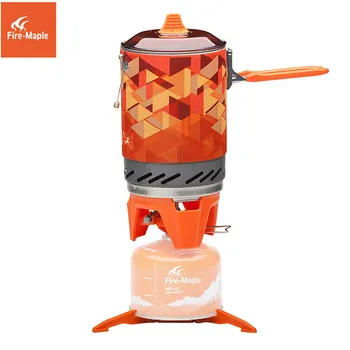
For quick meals and fuel efficiency, compact stoves are hard to beat. Canister and liquid fuel options each have pros and cons:
- Canister stoves: Easy to use; ideal for short trips
- Liquid fuel stoves: Better for cold weather and long expeditions
Cast Iron Dutch Ovens
Heavy but versatile — these let you bake, roast, and simmer over coals or flame. Season properly before packing to prevent rust.
Smart Packing Tips for Fire & Cooking Success
Strong planning makes outdoor life easier. Here are actionable packing tips:
Pack Redundancy
Carry at least two fire-starting methods — a ferro rod plus waterproof matches or a lighter.
Use Multi‑Purpose Tools
Collapsible cookware, sporks, and multi‑fuel stoves reduce weight without sacrificing capability.
Protect Against Moisture
Store all fire‑starting gear and tinder in waterproof sacks. Damp tools underperform and slow you down.
Weight vs. Performance
Balance what you carry. Ultralight gear saves weight, but sometimes a slightly heavier tool is more reliable — a valuable trade‑off when you’re deep in the woods.
Conclusion: Be Prepared, Be Confident, Be Outdoors
Fire starting and outdoor cooking are more than just practical skills — they’re part of what makes nature adventures unforgettable. With the right outdoor products, tested techniques, and thoughtful packing strategies, you’ll build fires that warm your camp and cook meals that fuel your journey.
Key takeaways:
- Select dependable fire-starting tools like ferro rods and waterproof matches
- Master fire building with fuel gathering and fire lays that work
- Choose outdoor cooking gear that fits your adventure style
- Pack smart and practice often to build confidence
If you found this guide helpful, join our newsletter for more outdoor tips, gear reviews, and adventure inspiration. Share this post with fellow nature lovers and keep your next trip fire‑ready and flavorful!



0 Comments